
Business
‘Frightened man’ or cold-blooded killer? Trial opens for CEO who shot brother-in-law at Pa. business
By Eliot Chen
Advertisement · Why this ad?
A graduate of Penn State University, Eliot has spent the last decade covering economic development and corporate landscapes across Central Pennsylvania. He previously reported for the Lancaster New Era, where he focused on small businesses adapting to changing markets.
More from Eliot →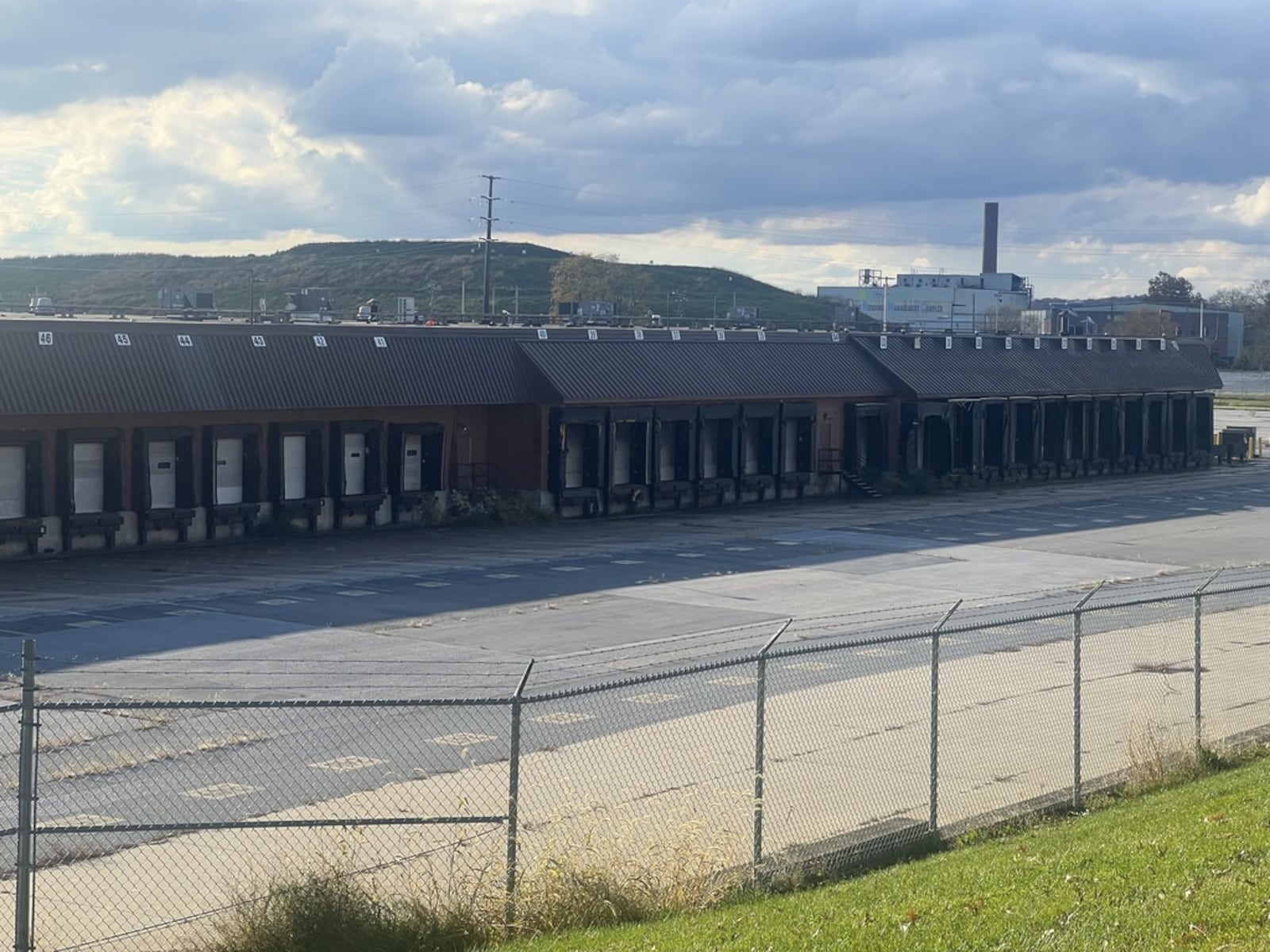
On a chilly morning last fall, local residents and business owners in Dauphin County saw a new possibility emerge on the horizon. A developer with a keen eye for growth and community impact has set sights on the long-vacant former UPS distribution site in the region, signaling potential economic revitalization for the area. This site, nestled just outside Harrisburg—Pennsylvania’s capital city and a hub of government and commerce—has sat dormant since UPS closed its doors there in 2022, following the company's largest reorganization in its history.
Last year, UPS undertook a sweeping restructuring effort that reshaped its operations across the country. Over 70 facilities, including three in Pennsylvania, were shuttered as the logistics giant streamlined its network and cut tens of thousands of jobs nationwide. In Pennsylvania alone, the closures impacted hundreds of workers and left a significant footprint in the local economy. The Dauphin County site, which once buzzed with activity—handling thousands of packages daily—has remained silent since the closure, awaiting its next chapter.
This vacant warehouse, covering approximately 200,000 square feet, was once a critical node in UPS’s regional logistics network. Its strategic location near major highways and the Harrisburg International Airport made it an ideal distribution hub. Now, the site’s silence echoes the economic challenges faced by the community, but also sparks hope for renewal. Developers see potential in transforming this industrial relic into a modern logistics hub or distribution center, which could serve as a catalyst for broader regional growth. The project aligns with regional economic strategies aimed at boosting employment, infrastructure development, and sustainable growth. Local officials are cautiously optimistic, recognizing that such projects can serve as engines for revitalization, especially in an area that has historically relied heavily on government and healthcare jobs.
The news of the developer’s interest has sparked a mix of hope and concern among residents. Many see the project as an opportunity to bring much-needed jobs back to Dauphin County, revitalizing an area that has faced economic challenges in recent years. “Any new investment is welcome,” says Sarah Miller, a small business owner in Harrisburg. “It could mean more jobs for our community and a boost to local commerce.”
However, others remain cautious, emphasizing the importance of ensuring that development benefits the community and respects local values. Faith-based organizations and community leaders stress the importance of sustainable growth rooted in integrity and strong family values. “We need projects that not only create jobs but also strengthen families and uphold our community’s moral fabric,” notes Pastor James Carter of First Baptist Church, a prominent figure in Harrisburg’s faith community. Carter’s church has long been involved in local outreach, and he emphasizes that economic development should go hand-in-hand with social responsibility.
Many residents also recall the site’s history, remembering the days when the warehouse was a bustling center of activity, providing stable employment for hundreds of families. The transition from an industrial hub to an empty lot has been a symbol of broader economic shifts in Dauphin County—shifts that community leaders hope to reverse with new investments.
Dauphin County, with Harrisburg as its heart, has historically been a hub of government, healthcare, and manufacturing. Over the past two decades, however, the region has faced economic headwinds, including factory closures, layoffs, and shifting job markets. The 2008 financial crisis, followed by the COVID-19 pandemic, further strained local economies, leaving many residents anxious about the future.
The site’s closure by UPS was part of a broader trend of logistics companies consolidating their networks, often favoring larger, more centralized facilities over regional ones. For Dauphin County, the loss was felt deeply, especially in neighborhoods where the warehouse was a major employer. The community’s resilience has been tested, but local leaders remain committed to finding innovative solutions to foster economic diversification and growth.
The developer’s plan is still in the early stages, with preliminary discussions underway with county officials and zoning boards. If approved, the project could bring hundreds of new jobs and attract additional investment to the region. County leaders are working to ensure that infrastructure and transportation needs are addressed to support the potential new facility. Discussions include upgrades to roads, improved access to public transit, and upgrades to utilities to accommodate increased activity.
Looking ahead, Dauphin County’s economic development team is optimistic about the project’s prospects. They see it as part of a broader effort to diversify the local economy beyond government and healthcare sectors. The county has been actively pursuing grants and incentives to attract industrial and commercial investments, aiming to create a balanced economic landscape that can withstand future downturns.
Community members are encouraged to participate in public forums and share their input, ensuring that the project aligns with the community’s long-term vision. Public engagement sessions are scheduled over the coming months, where residents can voice concerns, suggest improvements, and learn more about the development plans. Local media outlets and the county’s official website will provide updates and opportunities for involvement.
This potential redevelopment is more than just a business venture; it represents a chance for Dauphin County to reclaim its industrial legacy and adapt to the modern economy. If successful, the project could serve as a model for sustainable development, emphasizing job creation, environmental responsibility, and community well-being.
For families in Harrisburg and surrounding communities, this project could mean a pathway to stable employment, improved local services, and a renewed sense of hope. Local schools and workforce training programs are also preparing to adapt, ensuring that residents have the skills needed to fill these new jobs. The county’s economic strategy increasingly emphasizes partnerships with educational institutions, workforce agencies, and private investors to build a resilient, inclusive economy.
Moreover, the project’s success could inspire further investments in infrastructure, housing, and public amenities, creating a more vibrant and connected community. As Dauphin County navigates this potential transformation, the community’s collective voice and collaborative spirit will be crucial in shaping its future.
Residents and businesses alike are watching closely, hopeful that this redevelopment will mark a turning point—a step toward a future where families can thrive in a stable, faith-anchored community built on genuine opportunity and commitment.
By Eliot Chen

By Eliot Chen

By Eliot Chen

By Eliot Chen