Business
Walmart recalls: Return these 5 products ASAP
By Eliot Chen
Advertisement · Why this ad?
A graduate of Penn State University, Eliot has spent the last decade covering economic development and corporate landscapes across Central Pennsylvania. He previously reported for the Lancaster New Era, where he focused on small businesses adapting to changing markets.
More from Eliot →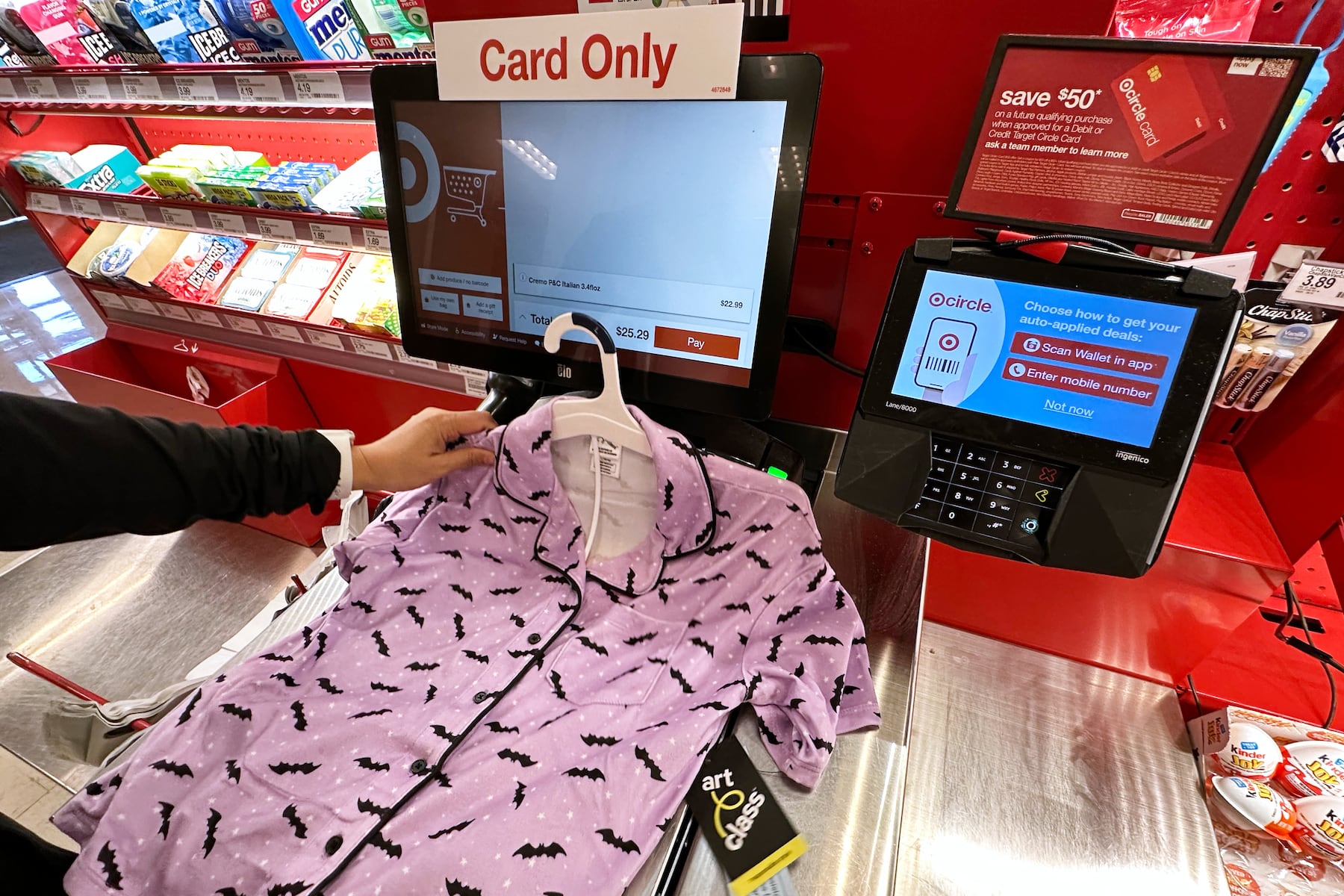
As the sun sets over Lancaster, the vibrant chatter of shoppers fills the aisles of local grocery stores, but a notable silence looms where self-checkout machines once stood. Just a few years ago, these machines were heralded as the future of retail, promising efficiency and cost-saving measures. Today, however, many retailers are reevaluating their strategies as they face mounting losses associated with these once-celebrated features.
In recent months, several major retailers in Lancaster have begun to dismantle their self-checkout stations, a move that underscores a significant shift in the retail landscape. While self-checkouts were initially perceived as a way to streamline operations and reduce labor costs, the reality has proven more complex. According to a recent report, retailers have experienced a staggering increase in theft and operational inefficiencies linked to these machines.
For instance, a local grocery chain, Lancaster County Grocery, reported a 30% increase in losses attributed to self-checkout theft since their installation. Such figures have prompted management to reconsider their approach, leading to the removal of these machines in favor of traditional checkout methods that allow for better oversight and customer interaction.
This trend is not isolated to Lancaster. Nationwide, retailers are grappling with similar challenges, as evidenced by a survey conducted by the National Retail Federation, which revealed that nearly 70% of retailers have reported increased shrinkage due to self-checkout stations. The implications of these findings are profound, as they highlight a growing concern over the sustainability of self-service technologies in the retail sector.
The community's response to the removal of self-checkouts has been mixed. Many customers appreciate the return to traditional checkouts, citing the personal touch and customer service that often accompanies human cashiers. Local resident Sarah Miller expressed her relief, stating, "I always felt rushed at the self-checkouts. It’s nice to have someone there to help, especially when I have questions about products or promotions."
However, not all feedback has been positive. Some shoppers, particularly younger demographics, lament the loss of self-service options, which they found to be quicker and more convenient. James Thompson, a college student, remarked, "I used to love just scanning my items and getting out quickly. Now, I have to wait in line again. It feels like a step backward in terms of convenience." This generational divide raises questions about the future of customer service in retail and how businesses will adapt to meet the evolving preferences of their clientele.
Moreover, employees have expressed mixed feelings about the transition. While some cashiers welcome the opportunity for increased hours and job security, others worry about the potential for increased workload at traditional registers. As businesses navigate these changes, the balance between efficiency and customer satisfaction remains a delicate dance.
The decision to remove self-checkouts is not just a matter of customer preference; it also has significant economic implications for local businesses. Retailers in Lancaster are facing rising costs due to theft, which can ultimately affect prices for consumers. Store owners like Tom Becker, who runs a local convenience store, explained, "When we lose money to theft, we have to make it up somewhere, and that often comes from raising prices. It’s a tough cycle that can hurt everyone in the community."
Additionally, the local economy thrives on small businesses, and their ability to adapt to changing retail landscapes is crucial. As larger chains pull back on self-checkouts, smaller stores are seizing the opportunity to differentiate themselves through personalized service and community engagement. This shift could foster a more collaborative retail environment, where businesses support one another in overcoming shared challenges.
Looking ahead, Lancaster retailers are exploring various strategies to enhance the shopping experience while mitigating losses. Many are investing in enhanced training for cashiers to improve customer service and reduce wait times, ensuring that shoppers feel valued and attended to. Additionally, some stores are considering implementing hybrid models that combine traditional checkouts with limited self-service options, allowing customers to choose their preferred method.
Furthermore, local businesses are taking proactive steps to address theft and losses. A recent initiative by the Lancaster Chamber of Commerce encourages retailers to collaborate on security measures, sharing best practices and resources to combat retail shrinkage collectively. This cooperative approach aims to foster a safer shopping environment while restoring confidence in retail operations.
As retailers adapt to these challenges, community engagement will play a crucial role in shaping the future of shopping in Lancaster. Local businesses are encouraged to solicit feedback from customers regularly, ensuring that their strategies align with consumer preferences. Town hall meetings and surveys could serve as valuable platforms for dialogue, allowing residents to voice their opinions and suggestions.
Moreover, the return to traditional checkouts may provide an opportunity for businesses to strengthen their community ties. By fostering relationships with customers through personalized service, retailers can enhance loyalty and encourage repeat business. This emphasis on community connection aligns with the values of many Lancaster residents, who prioritize strong relationships and family-oriented experiences.
The decision to remove self-checkouts in Lancaster reflects a broader trend within the retail industry, as businesses grapple with the complexities of modern shopping. While self-service technologies promised efficiency, the reality has revealed significant challenges that cannot be overlooked. As retailers pivot back to traditional checkout methods, they have the opportunity to enhance customer service and strengthen community ties.
Ultimately, the future of retail in Lancaster will depend on the ability of businesses to adapt to changing consumer preferences while maintaining a focus on integrity and community values. By fostering strong relationships with customers and prioritizing their needs, local retailers can navigate this evolving landscape and continue to thrive. The journey ahead may be challenging, but it also presents an opportunity for Lancaster's retailers to redefine the shopping experience, making it more personal and community-oriented.
The shift away from self-checkouts in Lancaster is not merely a localized phenomenon; it resonates with broader trends observed across the nation. As retailers reevaluate the role of technology in customer service, they must also consider the implications for employment. The return to traditional cashiers could create more job opportunities in the community, which is particularly vital in light of recent economic challenges. In Lancaster, where the unemployment rate has fluctuated, the ability to provide stable jobs through retail could offer a lifeline for many families.
Moreover, the conversation surrounding self-checkouts also touches on the evolving nature of consumer trust. As shoppers become more aware of theft and losses, they may gravitate towards businesses that prioritize security and transparency. Retailers who can effectively communicate their efforts to combat theft and create a safe shopping environment may find themselves with a competitive edge. This transparency can foster a sense of community trust, encouraging shoppers to support local businesses over larger, impersonal chains.
In conclusion, the decision to dismantle self-checkouts in Lancaster marks a significant turning point in the retail landscape. As businesses adapt to the changing needs of consumers, they have the opportunity to create a more personalized and secure shopping experience. The focus on community engagement and customer service not only strengthens local ties but also positions Lancaster retailers for long-term success. As this chapter unfolds, it will be essential for both businesses and consumers to collaborate in shaping a retail environment that reflects shared values and priorities.