
Community
Theft suspect leads police chase through multiple fields in stolen vehicle, police say
By David Robinson
Advertisement · Why this ad?
David graduated from Franklin & Marshall College and has been a community journalist for over 8 years, previously working at the Lancaster Examiner. He focuses on the heart of Lancaster, covering local events, festivals, and community initiatives.
More from David →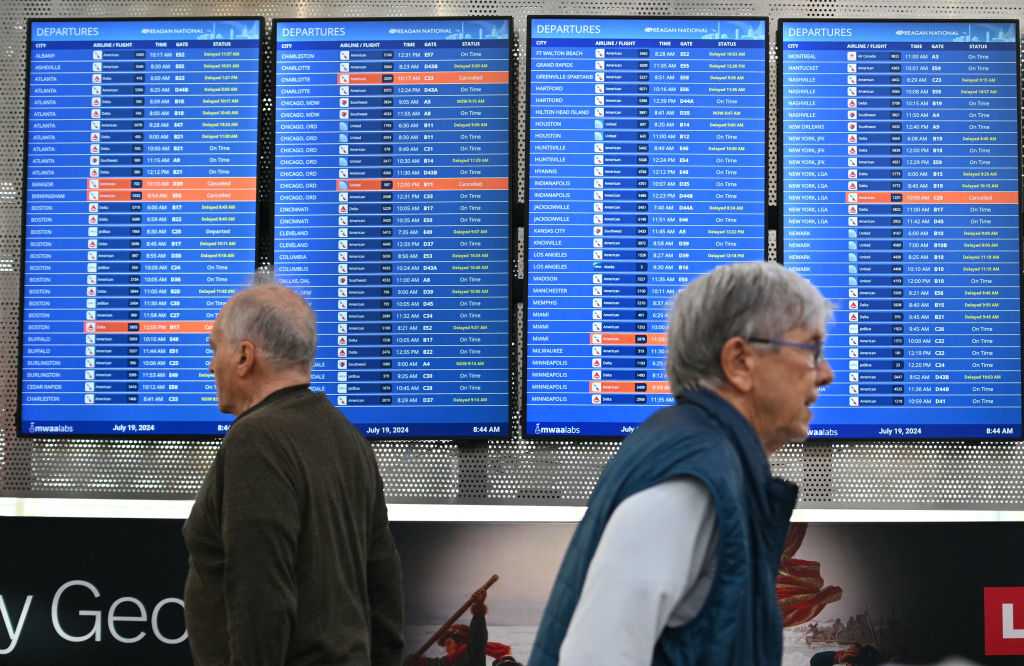
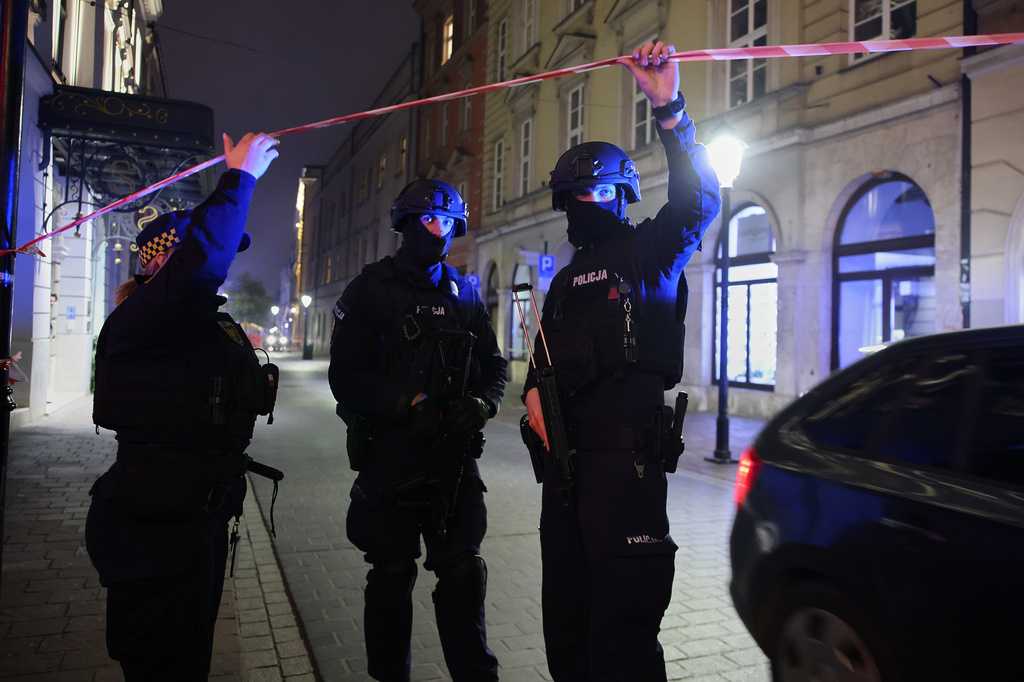
What to know about the hoax bomb threats that targeted flights in Europe Advertisement Updated: 6:30 AM EST Nov 7, 2026 Editorial Standards ⓘ Associated Press What to know about the hoax bomb threats that targeted flights in Europe Updated: 6:30 AM EST Nov 7, 2026 Editorial Standards ⓘ Associated Press Bomb threats targeted dozens of flights across Europe this week following a string of hoaxes that caused flight diversions and forced airlines to scramble to keep passengers safe and air traffic disruptions minimal. Related video above: Google analyzed 5 years of flight data. Thanksgiving and Christmas fares may be cheapest sooner than you think Advertisement Fake bomb threats are relatively common, but it is unusual to see so many in such a short period. No suspicious items were found and no one has been injured, but the threats raised concerns because they came on the heels of other European disruptions — including attacks on supermarket refrigeration systems and drone incursions. With unanswered questions hanging over the continent — it was not known whether the threats were linked, who sent them or what they hoped to achieve — security experts were to meet in Brussels next week to discuss measures to deal with the hoaxes. Here's what to know: Dozens of flights across Europe have been targeted The hoaxes have led to plane searches and diversions, and, in some cases, emergency landings and military escorts. Still, the European air traffic authority insisted that overall, the threats caused minimal disruption to aviation. Separately, three broadcasters — the Irish national broadcaster RTE, the U.K.-based Sky and NOVA TV, a private broadcaster in Bulgaria — also received security threats on Friday, a possible sign the menace was spreading beyond the skies. And on Saturday, Italian Foreign Minister Antonio Tajani said his personal data had been disseminated on the dark web, an encrypted part of the internet, and that he has been exposed to "threats and intimidation." Italian Premier Giorgia Meloni blamed pro-Russian hackers for the leak. Tajani, who is also a vice premier in Italy's government, did not specify what kind of information had been shared, but suggested that the cyberthreat was ongoing. He did not indicate who might be responsible for the cyberattack but reiterated the Italian government's support for Ukraine. Multiple flights in Europe diverted because of bomb threats after earlier hoaxes No word on who is behind the threats It remains unclear who is behind the airline threats, which come at a time of increased geopolitical tensions and warnings from authorities that Russia may be ramping up its so-called hybrid threats in Europe — a mix of covert and indirect attacks attributed to Moscow and meant to destabilize European countries. Authorities haven't attributed the threats to any group or state actor, and no evidence has emerged linking the hoaxes to a government. An email containing the threat sent Thursday to airport authorities in Rome and reviewed by The Associated Press purported to come from a group describing itself as anti-feminist and claiming it was targeting a "feminist regime." Another European airport received a threat with similar wording, but it was unclear if it came from the same sender. In Amsterdam, meanwhile, the Dutch Marechaussee military police detained a man on Thursday night at Amsterdam's Schiphol Airport in connection with a threat to a flight that was about to leave for Prague, Marechaussee spokesperson Doron Wallin said Saturday. It was not clear if the threat was linked to other recent hoaxes. Wallin said the Marechaussee regularly deals with fake bomb threats. The aircraft flew on to Prague later in the evening, and the man was released the following day. Freezers at supermarkets in several European countries hit by apparent cyberattacks Expert says travelers should not be alarmed Matthew Borie of Osprey Flight Solutions, which advises airlines on flight threats, said he had several hypotheses for the incidents — ranging from a single threat triggering copycat incidents to an individual or a group making multiple threats, and "hybrid warfare" operations by state actors or their supporters. The focus on Europe means "there could be a Russian angle," said Borie, the company's co-founder and chief intelligence officer. "We need to keep in mind, though, that Iranian hybrid warfare is just as active in certain pockets of Europe as well." His message for travelers? "Don't be alarmed," he said, noting that national authorities have "coordinated response mechanisms," including, at times, the deployment of NATO fighter jets to escort such planes. Jacob Funk Kirkegaard, a senior fellow at the Bruegel think tank in Brussels, said the threats were "stress-testing" how European governments and airport officials respond, and whether their responses were coordinated. The idea behind the threats "appears to be to sow chaos, uncertainty, about the reliability of air traffic across Europe" and could have "cascading effects" — such as economic damage and costs related to inspection, investigation and the cleaning of aircraft. Make WGAL a preferred source on Google Add Preferred Source Share Infinite Scroll Enabled Top Picks High school band member stunned as 'Thunderstruck' performance goes viral Defense attorney for man convicted in Tupac murder trial found dead in Las Vegas Watch: Giant pandas make much-anticipated debut at Zoo Atlanta 19-year-old to become one of Massachusetts' youngest representatives in state history
By David Robinson
By David Robinson

By David Robinson

By David Robinson