
Community
How data brokers collect and sell your personal information
By David Robinson
Advertisement · Why this ad?
David graduated from Franklin & Marshall College and has been a community journalist for over 8 years, previously working at the Lancaster Examiner. He focuses on the heart of Lancaster, covering local events, festivals, and community initiatives.
More from David →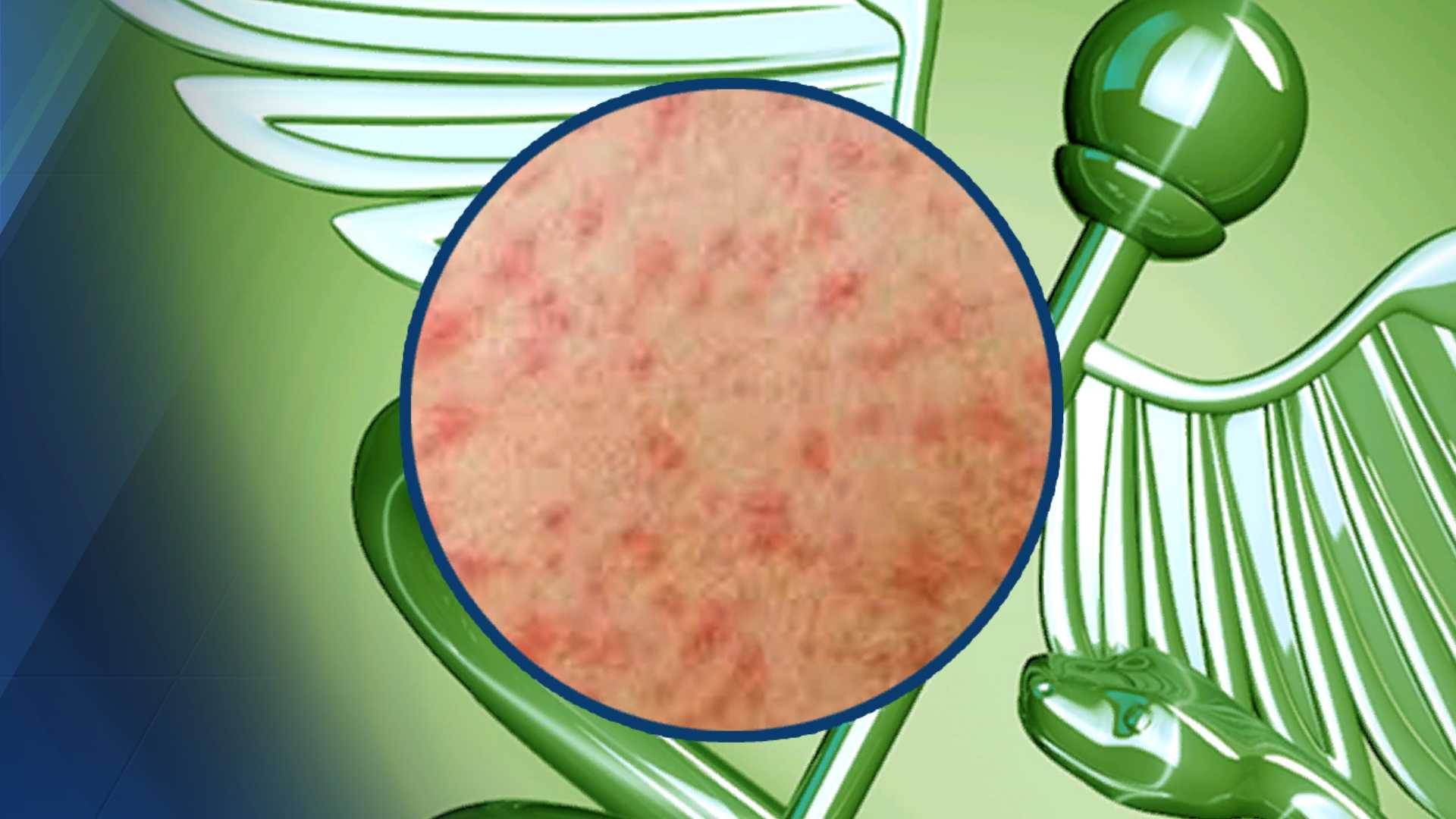
On a quiet Lancaster morning, the gentle hum of community life was suddenly pierced by a sobering reminder of how fragile our health can be. A mother in the heart of Lancaster, holding her infant close, whispered prayers for her child's swift recovery amid fears of a rising measles outbreak that has gripped the nation. The recent tragic news from Wisconsin — the first infant death from measles since 1990 — echoes across the country, including here at home, stirring a renewed call for vigilance and faith in the power of prevention.
In Wisconsin, health officials announced the heartbreaking death of a young infant amid a surge of measles cases. As of Tuesday, the Wisconsin Department of Health Services reported 431 cases in 13 counties — the highest number in over 35 years. The infant’s death marks a grim milestone, the first since 1990, and underscores the severity of the ongoing outbreak. The child's age, gender, and exact location remain undisclosed, but the impact resonates deeply across the nation.
This tragedy is part of a broader national crisis, with over 4,800 cases reported across the United States this year—the highest since 1991, when measles was declared eliminated in the U.S. by the CDC. Pennsylvania and New York also reported tragic deaths, highlighting how the virus’s resurgence threatens even the most resilient communities. The Pennsylvania Department of Health confirmed the sixth measles-related death in the state, while New York saw its first in three decades, reminding us that no community is immune.
These outbreaks are occurring in communities with varying vaccination rates, but notably in areas where vaccine coverage falls below the herd immunity threshold. Experts warn that this gap allows measles to spread rapidly, especially in communities where vaccine coverage is insufficient. The CDC emphasizes that two doses of the MMR vaccine are approximately 97% effective at preventing the disease, yet complacency and misinformation have left many families unprotected.
The numbers tell a story of vulnerability. In Wisconsin, 428 of the 431 cases involved unvaccinated individuals. The state's vaccination rate among kindergarteners hovers around 85%, below the 95% threshold needed for herd immunity. This gap is especially concerning given the highly contagious nature of measles, which can spread through coughing, sneezing, or even shared airspace. When vaccination rates dip below critical levels, outbreaks can explode quickly, overwhelming local health systems and putting vulnerable populations—such as infants, the elderly, and immunocompromised individuals—at grave risk.
Amid this crisis, health officials are urging families to reconsider their vaccination decisions. Wisconsin has updated its guidance to recommend an early dose of MMR for infants between 6 and 11 months at increased risk of exposure, a departure from the usual vaccination schedule that begins at age one. This proactive approach aims to curb the spread and protect vulnerable infants who are most at risk during outbreaks.
Locally, Lancaster County has seen a similar pattern, with vaccination rates slightly below the recommended threshold, prompting public health officials to intensify outreach efforts. Community health clinics and pediatricians are working overtime to educate parents about the importance of timely vaccination, especially during outbreaks like this one.
In Lancaster, the news of measles’ resurgence hits close to home, stirring conversations about community health, faith, and family. Many local families remember the days when vaccines were a routine part of childhood, a testament to the power of science and faith working together to protect loved ones. Strong marriages and committed families are the backbone of resilient communities, and safeguarding children’s health is a shared responsibility rooted in love and faith.
Local pastors and community leaders have begun to speak out about the importance of vaccination, emphasizing that caring for our neighbors is an act of Christian love. “We trust in God’s protection, but we also recognize the gift of wisdom and science,” said Pastor Mark Evans of Lancaster Community Church. “Getting vaccinated is a way to honor the life God has given us and to protect those who cannot protect themselves.” Such messages reinforce the vital connection between faith, science, and community responsibility, especially during times of crisis.
Many families in Lancaster and surrounding communities have historically relied on faith-based networks for health guidance, making their voices particularly influential. Churches, mosques, and community centers are now partnering with health departments to host informational sessions, dispel myths about vaccines, and encourage immunization. These efforts are vital in a community where trust in public health can sometimes be intertwined with religious and cultural beliefs, and where misinformation can spread just as quickly as the virus itself.
For those seeking more information, the CDC measles information offers comprehensive guidance on vaccination and outbreak prevention. Lancaster County’s health department also provides local resources and updates at Lancaster County Health Department. Community health workers are actively engaging with families at local clinics, schools, and churches to ensure everyone understands the importance of timely vaccination and the risks associated with delays or refusals.
As the nation grapples with this alarming resurgence of measles, Lancaster stands committed to protecting its families through education and proactive health measures. The recent outbreaks serve as a stark reminder that the fight against preventable diseases requires vigilance, faith, and community effort. Local schools, churches, and health organizations are working together to promote vaccination and dispel myths that threaten our collective well-being.
Looking forward, Lancaster’s community leaders are planning informational sessions and vaccination drives, emphasizing that strong families rooted in faith and love are the best defense against outbreaks. The hope is that through education, prayer, and unity, Lancaster can remain resilient and safeguard its children from the devastating effects of diseases like measles. As we pray for the families affected across the country, let us also renew our commitment to health, faith, and the American dream of a safe, healthy community for all.
In addition to local efforts, regional and state health departments are coordinating with federal agencies to ensure vaccine supplies are adequate and accessible. Mobile vaccination clinics are being deployed to reach underserved neighborhoods, and bilingual outreach materials are being distributed to ensure non-English speaking families are also protected. Schools are reviewing their immunization records and holding vaccination clinics to catch up students who may have missed doses, further strengthening community immunity.
Community resilience also depends on addressing misinformation. Local media outlets, including WGAL, are amplifying accurate, science-based messages to counteract vaccine myths circulating on social media and in informal networks. Public health campaigns emphasize that vaccination is not just a personal choice but a community responsibility—one that can prevent tragedies like the recent infant death in Wisconsin.
Moreover, Lancaster’s healthcare providers are emphasizing the importance of maintaining routine health visits, especially during outbreaks. Regular checkups are opportunities for providers to review immunization status, answer questions, and reassure hesitant parents. The goal is to foster a culture of proactive health, where prevention is prioritized and community members feel empowered to protect themselves and their loved ones.
Finally, the outbreak underscores the importance of preparedness and resilience in our health systems. Local hospitals and clinics are reviewing their protocols, ensuring they are equipped to handle potential surges and provide prompt care for those affected by measles and other communicable diseases. Training healthcare workers on the latest guidelines is part of this effort, ensuring Lancaster remains ready to respond swiftly to any future outbreaks.
As Lancaster and the nation continue to face this public health challenge, the message remains clear: vaccination saves lives. The tragic loss of the infant in Wisconsin is a painful reminder of what is at stake. It calls us all to action—to protect our children, our communities, and our future. Through faith, science, and community effort, Lancaster can stand resilient against the resurgence of measles and other preventable diseases, ensuring a healthier tomorrow for generations to come.
By David Robinson

By David Robinson
By David Robinson

By David Robinson